


In today’s digital landscape, businesses face escalating challenges in managing devices, safeguarding data, and ensuring secure access across an increasingly mobile workforce. Microsoft Intune empowers organizations with a cloudfirst endpoint management platform that unifies device security, compliance, and operational efficiency.
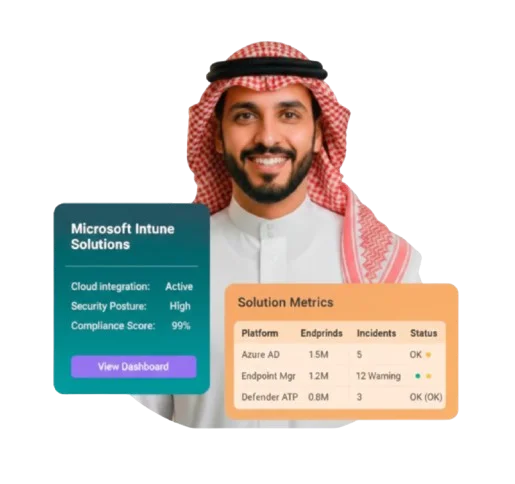

At our firm, we deliver Microsoft Intune consulting services that maximize your investment, streamline device administration, and fortify your security posture. Our experts guide you through every step of implementation, deployment, integration, and ongoing support by enabling your IT team to manage desktops, laptops, mobile devices, and applications efficiently and securely.
Whether you’re transitioning from legacy systems, integrating with Microsoft 365, or enhancing existing Intune deployments, our tailored consulting services provide the strategic insights and execution excellence enterprises demand.
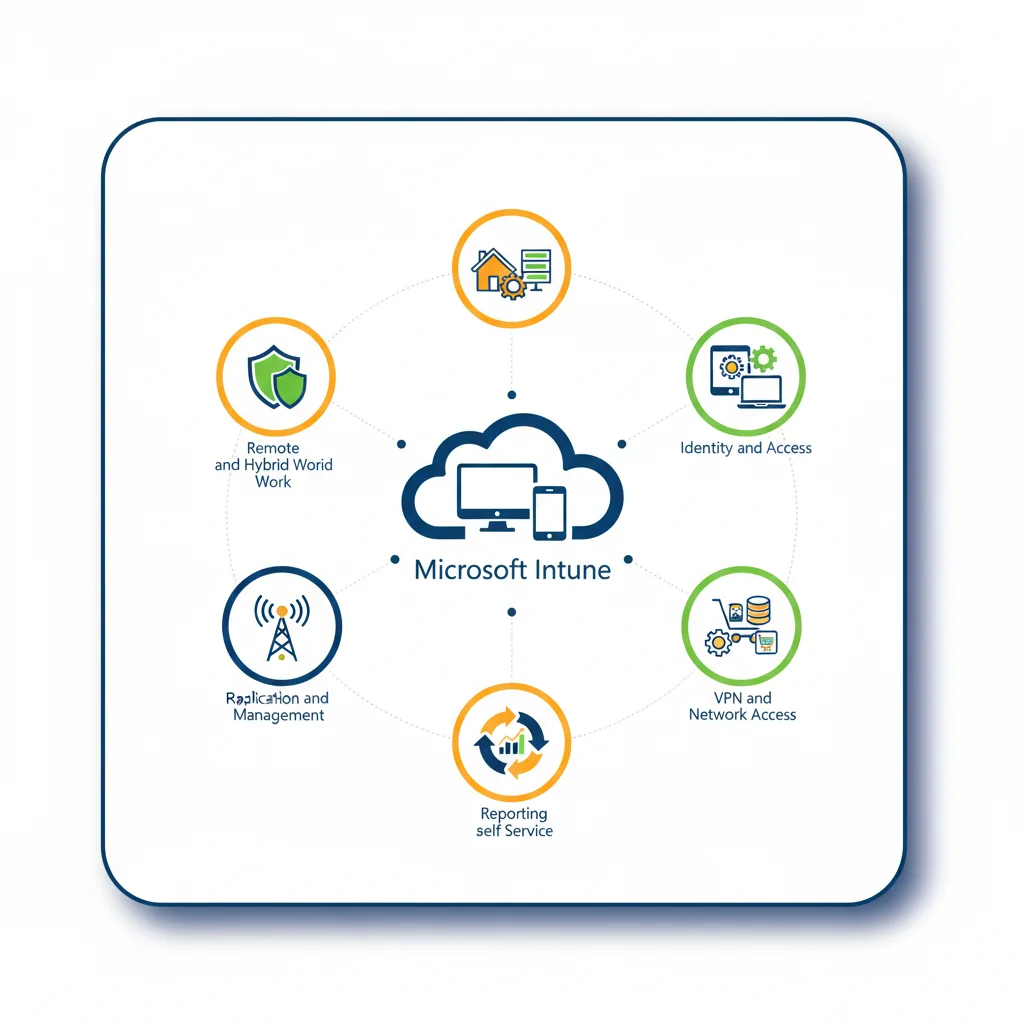
Digital transformation requires optimized endpoint management that aligns with business objectives, compliance requirements, and user experience expectations. Microsoft Intune fulfills this by offering:
Our Microsoft Intune consulting services help organizations unlock these capabilities, thus turning powerful technology into real business outcomes.
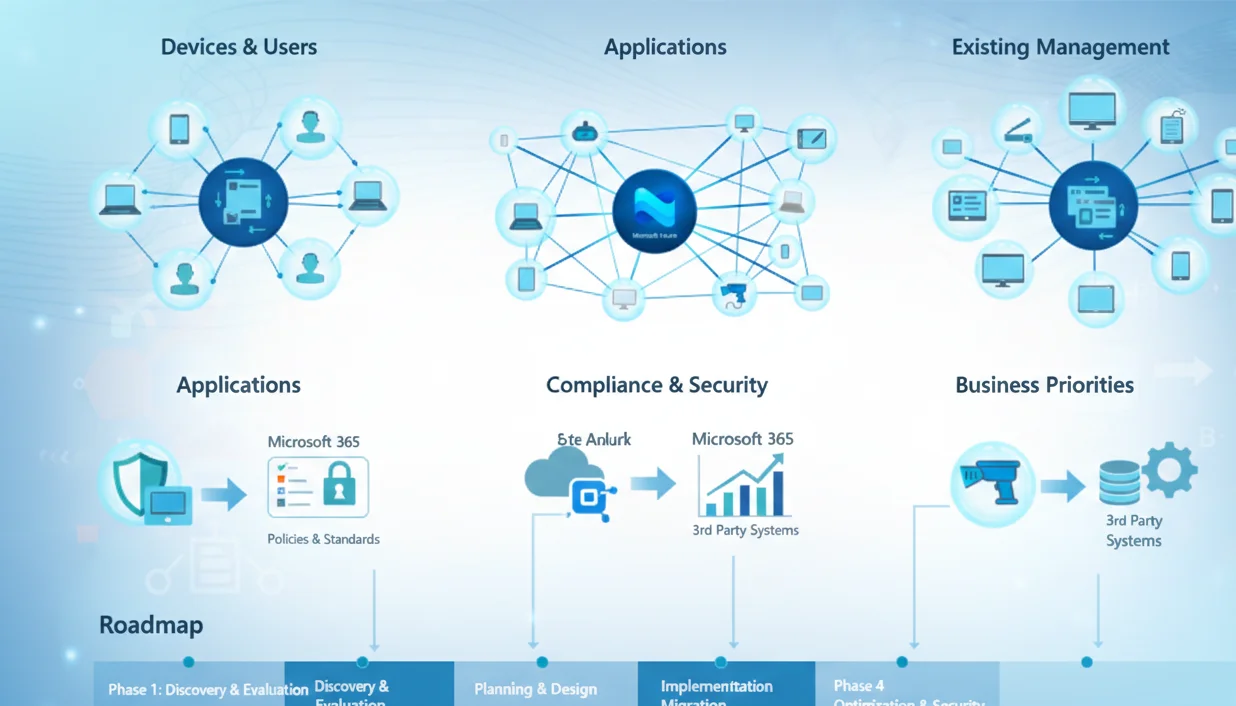
A successful Intune initiative begins with understanding your environment:
This phase informs a practical road map that aligns with your operational goals and risk posture.
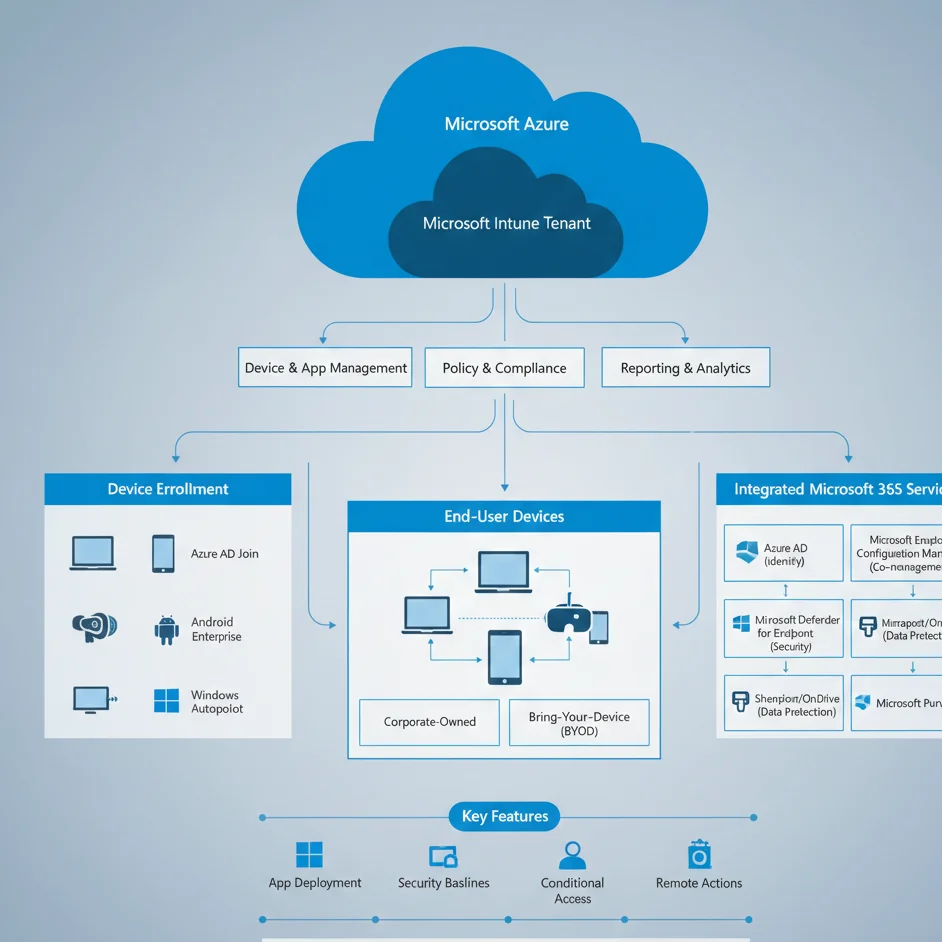
We architect end-to-end solutions designed for scalability and resilience:
Your business benefits from a documented, enterprise grade strategy that minimizes disruption and accelerates adoption.

Our certified consultants implement Intune in your environment with precision:
We leverage industry best practices to ensure your Intune setup is secure, manageable, and optimized for performance.
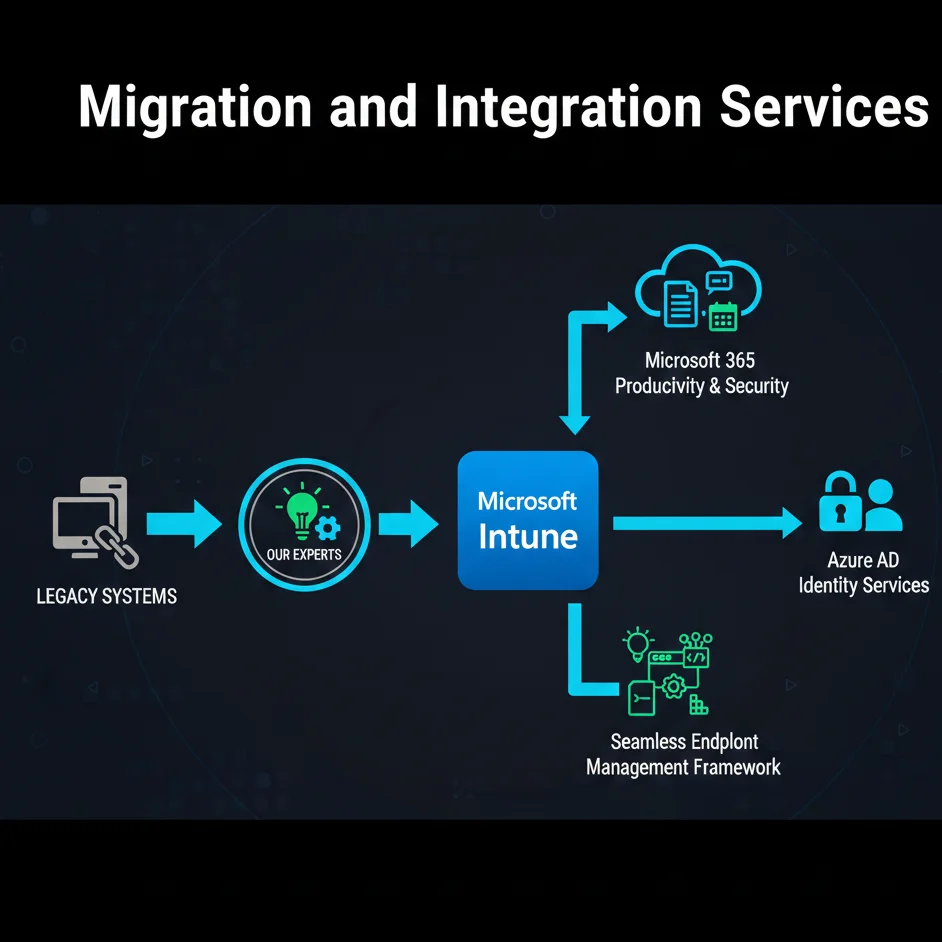
Transitioning from legacy systems or fragmented management tools can be complex. Our expert’s handle:
This ensures operational continuity while modernizing your endpoint management framework.
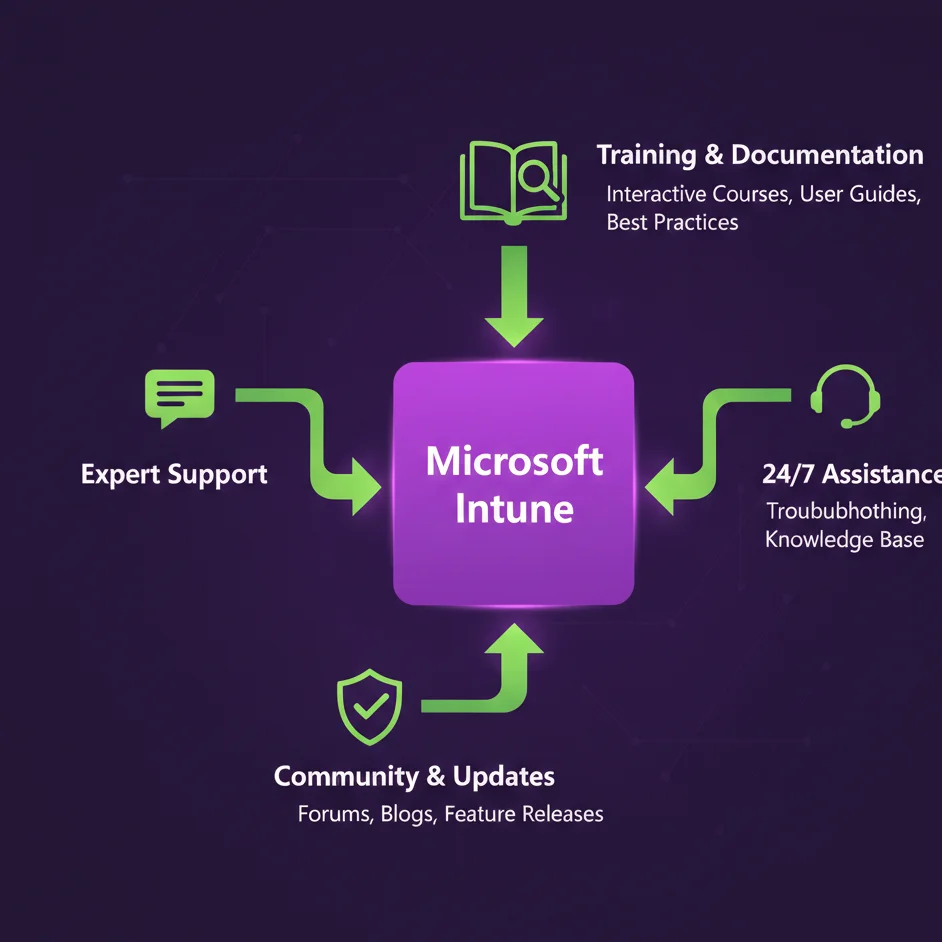
Technology is most effective when your teams understand how to use it:
We empower your IT teams to manage Intune independently in the long term, backed by our continued partnership.
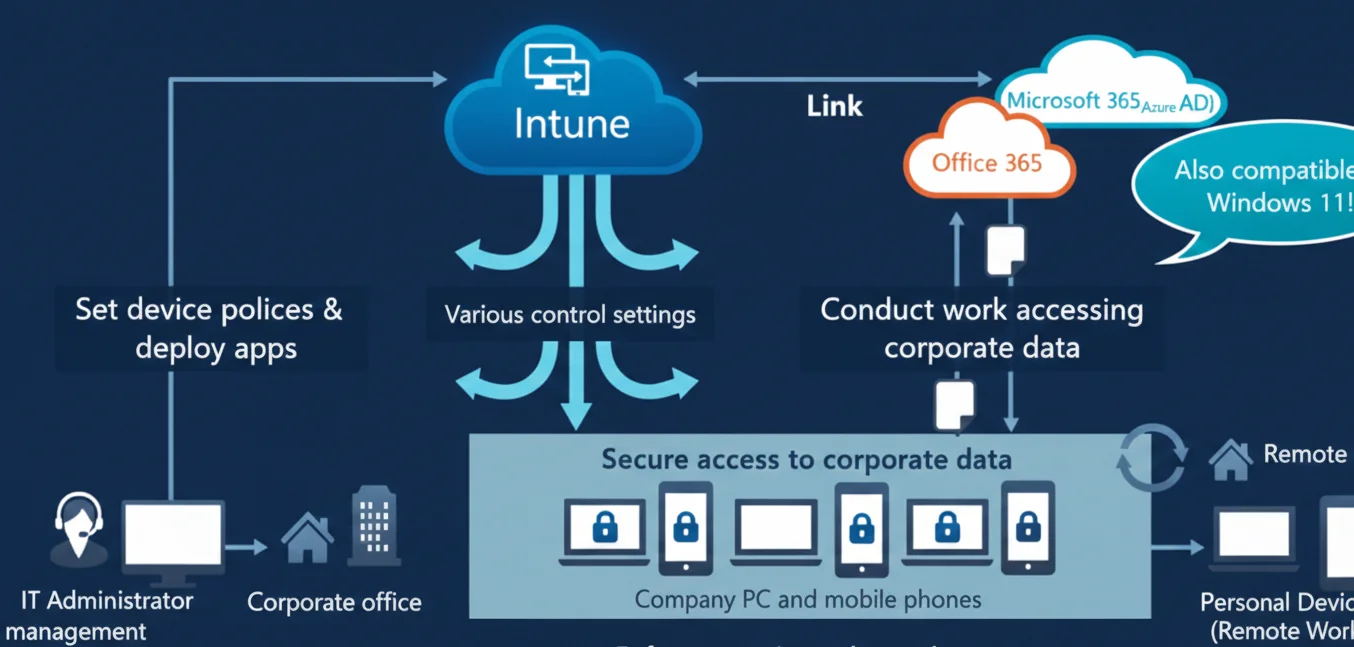
With threats evolving every day, security is nonnegotiable. Microsoft Intune’s tight integration with Azure and other enterprise security tools enables:
Intune doesn’t operate in isolation and it’s part of a broader digital ecosystem that delivers more when integrated thoughtfully:
Leverage analytics via Microsoft Power BI partners with the UAE to gain insights into device performance, compliance trends, and usage patterns.
Align endpoint management with application workflows supported by Microsoft Project Power app architectures.
Extend business process automation with connections to Microsoft Dynamics 365 for development and Dynamics 365 Business Central for unified IT and business data visibility.
Collaborate with toptier Microsoft Dynamics partners in the UAE who understand how endpoint security supports broader digital transformation initiatives.
These connections reinforce your technology stack and improve operational efficiency.
Organizations that engage our Microsoft Intune consulting services can expect measurable outcomes:
With intelligent policies and automated compliance reporting, your data stays protected without hindering productivity.
Cloudbased endpoint management reduces infrastructure overhead and simplifies IT operations.
Employees enjoy secure access across devices without complex login hurdles — supporting hybrid work and mobility.
Automated workflows, centralized policies, and unified dashboards free your IT team to focus on strategic priorities.
Grow confidently with solutions designed to scale across locations, business units, and device types.
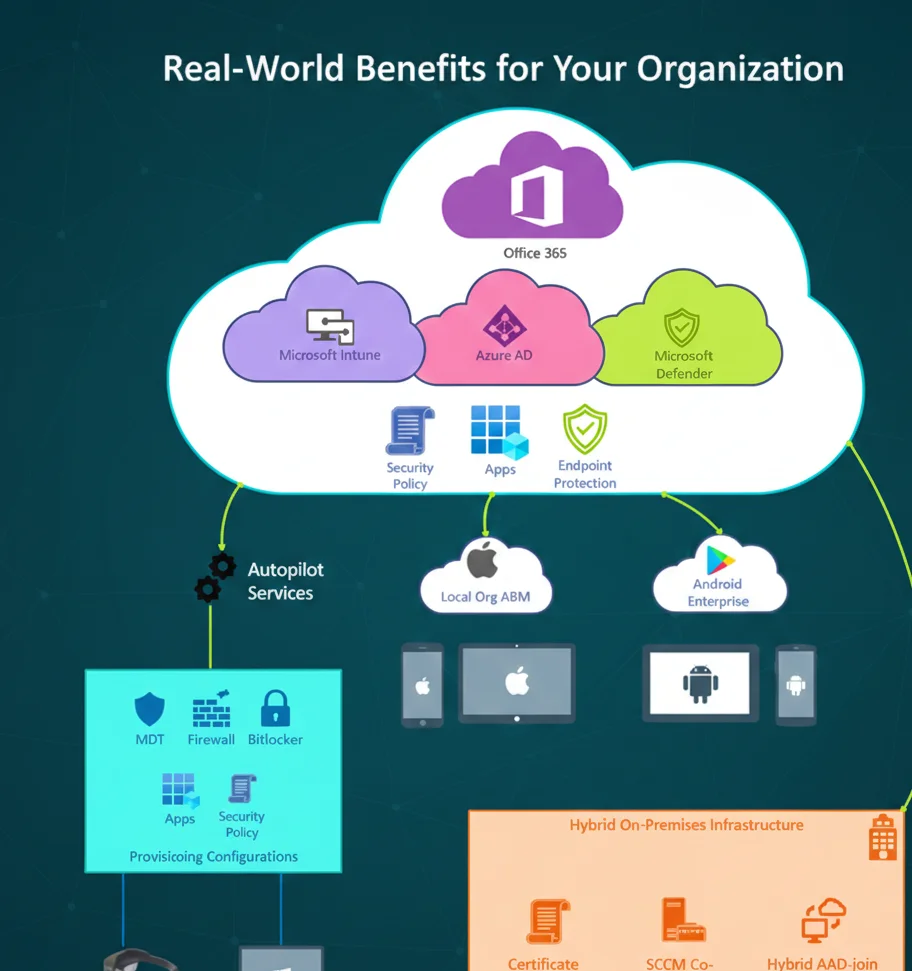
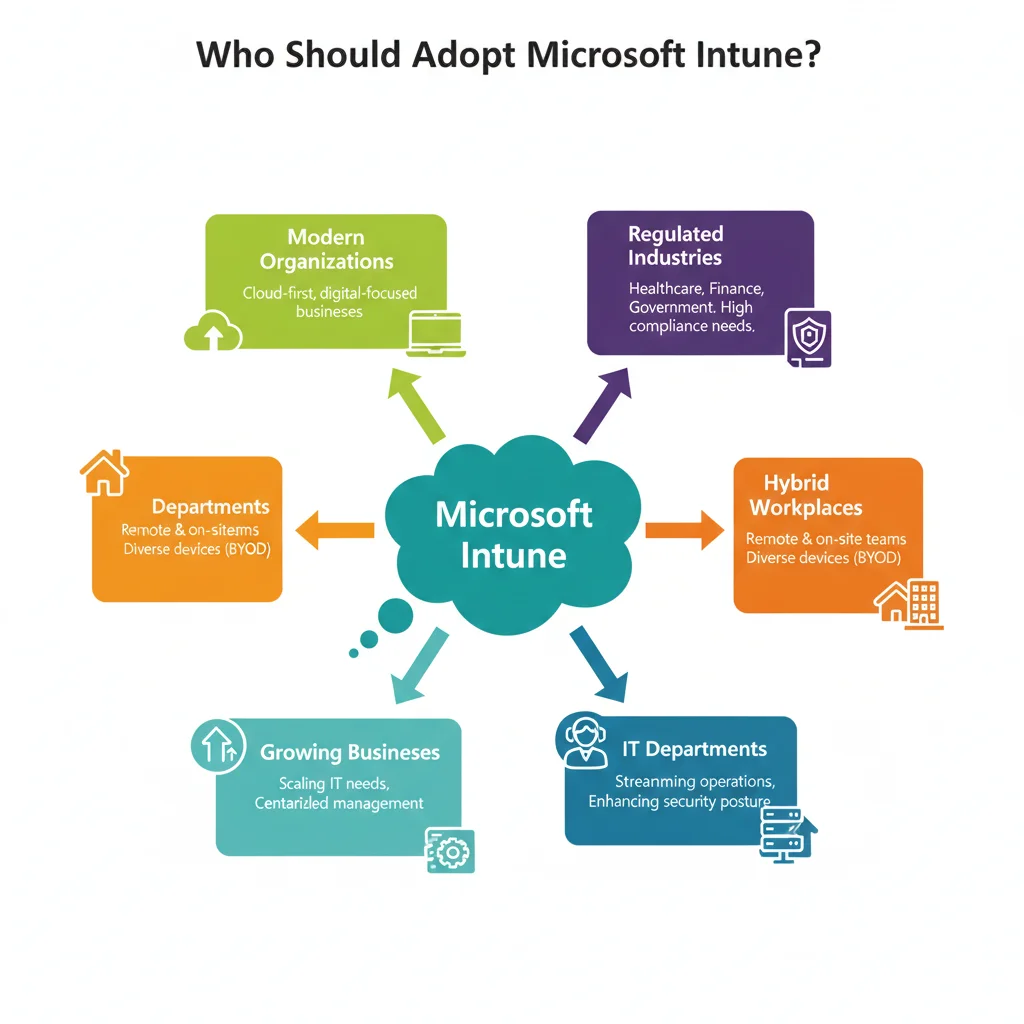
Our consulting services benefit a wide spectrum of organizations:
Whether you’re in finance, healthcare, retail, or government, our Intune expertise translates into stronger control and business continuity.
What is the Microsoft Intune admin center?
The Microsoft Intune admin center is a centralized, web-based portal that provides administrators with tools to manage devices, enforce compliance policies, deploy applications, and monitor endpoint security. It unifies configuration, reporting, and device lifecycle tasks into one dashboard that drives operational efficiency.
How does the Intune admin center support conditional access?
The admin center integrates closely with Azure Active Directory to enforce conditional access policies — controlling access to corporate resources based on device compliance, user identity, location, and risk signals. This ensures secure access without compromising user productivity.
Can I manage mobile devices alongside desktops in the admin center?
Yes. The Intune admin center supports unified management for all device types — including Windows, macOS, Android, and iOS — whether corporateowned or part of BYOD programs. Policies and configurations can be applied across device classes through a standardized interface.
Does the admin center provide realtime compliance reporting?
The Intune admin center offers reporting and dashboards that include compliance insights, device health, policy status, and risk indicators. These allow administrators to quickly identify issues, remediate noncompliant devices, and maintain audit records.
How do I enroll devices using the Intune admin center?
Device enrollment can be initiated via multiple methods supported through the admin center — including automatic enrollment for corporate devices, userdriven BYOD enrollment, and bulk enrollment for organizational fleets. The intuitive interface guides administrators through the creation and deployment of enrollment profiles.
What’s the difference between Intune and traditional endpoint management tools?
Unlike legacy onpremises systems, Microsoft Intune — accessible through the admin center — is a cloudnative service that scales effortlessly and integrates with Microsoft 365 services, Azure security controls, and identity platforms. This modern approach reduces infrastructure costs and aligns with hybrid work models.