


In today’s competitive energy landscape, oil and gas companies in Dubai and across the UAE are accelerating their digital transformation journeys to meet ever increasing demands for efficiency, compliance, and operational excellence. Modern Enterprise Resource Planning (ERP) systems are central to this evolution
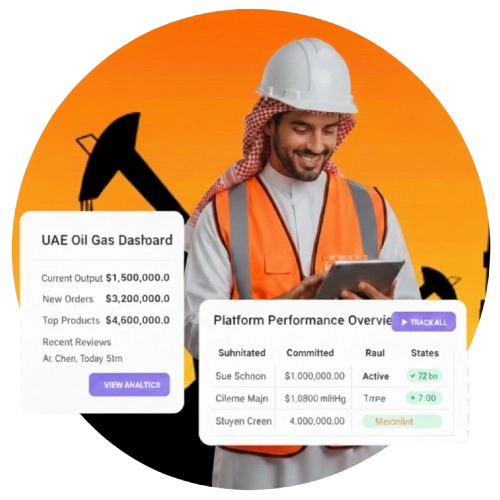
Especially tailored solutions that address the nuances of the oil and gas sector, from upstream production to downstream supply, logistics and refinery operations. The UAE’s strategic focus on digitalization continues to strengthen industry competitiveness and resilience through smart, integrated technology adoption.
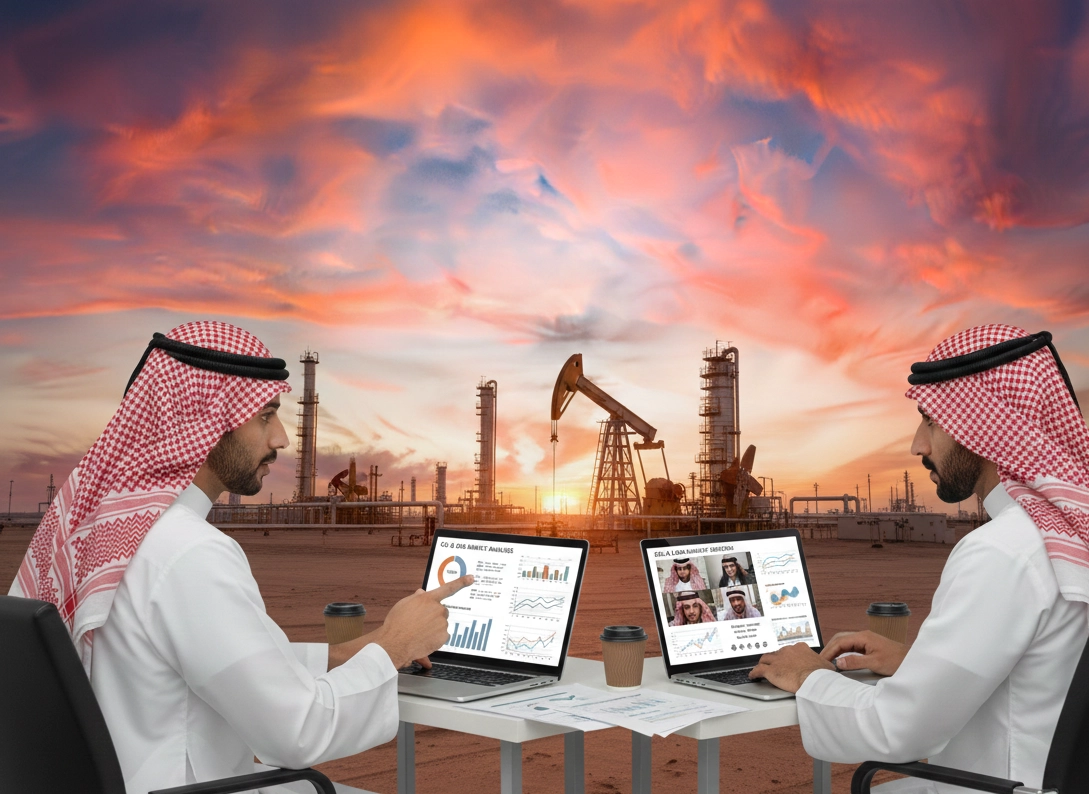
An industry grade oil and gas ERP solution in Dubai is no longer optional, and it’s a core business imperative. Integrated ERP platforms enable organizations to unify finance, operations, supply chain, risk & compliance, asset management, and reporting across multiple business units under a single, secure database. This digital transformation lays the foundation for more informed decision-making, better profitability, and seamless regulatory compliance throughout the UAE and GCC region.
Dubai’s oil and gas sector, along with Abu Dhabi and Sharjah, is characterized by highly complex operational environments that demand robust technology infrastructures. Traditional, fragmented systems create inefficiencies, data silos, and compliance risks that can cost time and money. A comprehensive ERP platform built for the energy industry:
Companies leveraging these capabilities gain a competitive edge in managing largescale projects and navigating regional business challenges.
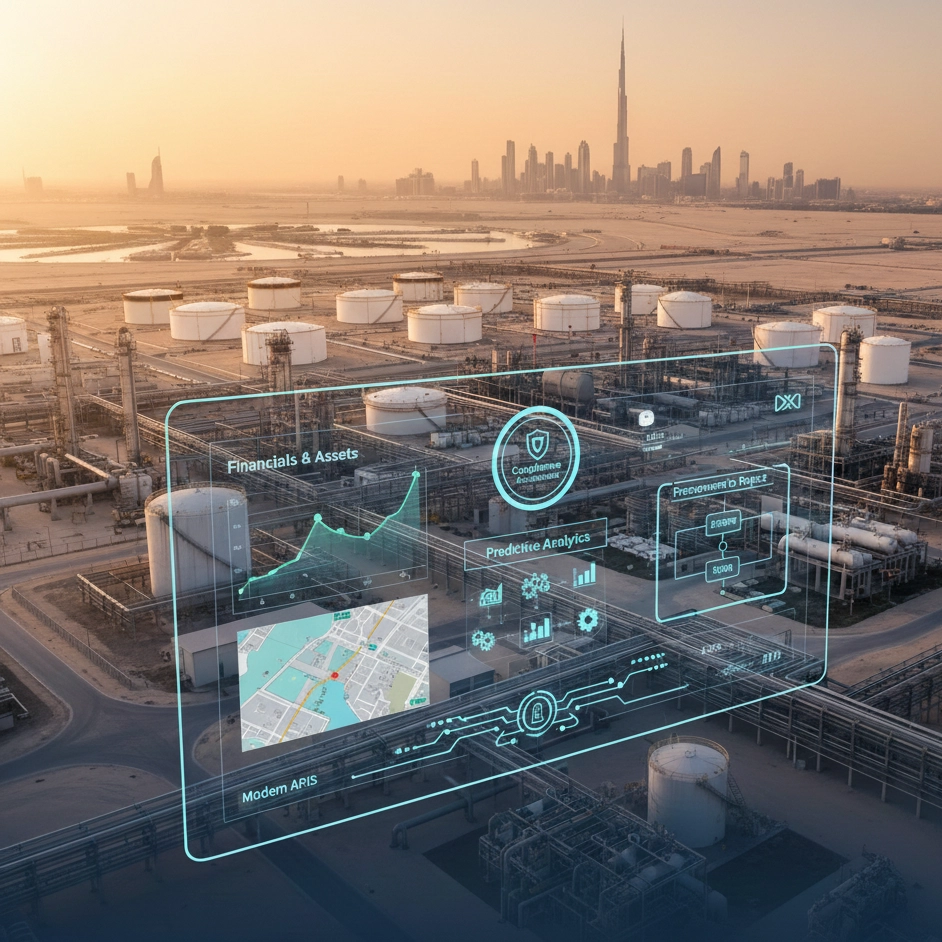

Among the leading platforms suited for the UAE’s oil & gas vertical, Dynamics 365 Business Central stands out for its flexibility, industry alignment and cloud native capabilities. As part of the Microsoft ecosystem, Business Central delivers a unified ERP foundation that connects financials, supply chain, inventory, project accounting and operational planning and all while supporting multicurrency and VAT compliance required in the UAE market.
Built with scalability in mind, Dynamics 365 Business Central empowers oil and gas enterprises to:
Its adaptability makes Business Central especially effective in multi-entity oil and gas operations which are common across UAE corporate structures with subsidiaries, joint ventures and global supply chains.
A robust oil and gas ERP system in Dubai should go beyond general enterprise functionality. Industry specific capabilities will elevate operational performance and provide competitive advantage, such as:
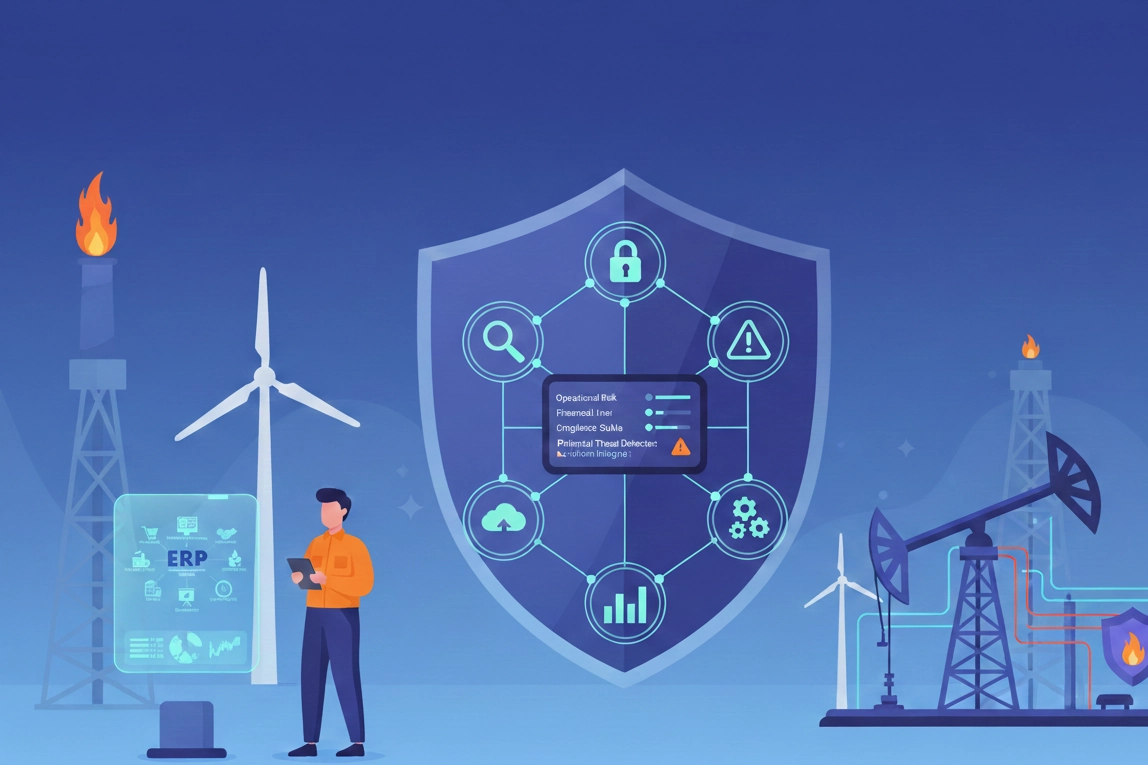
With heightened regulatory, safety, and environmental compliance requirements, a built-in risk management system is essential. This ensures hazards are identified, monitored, and mitigated proactively across all departments. It also supports robust reporting, enabling compliance with UAE federal and emirate level standards.
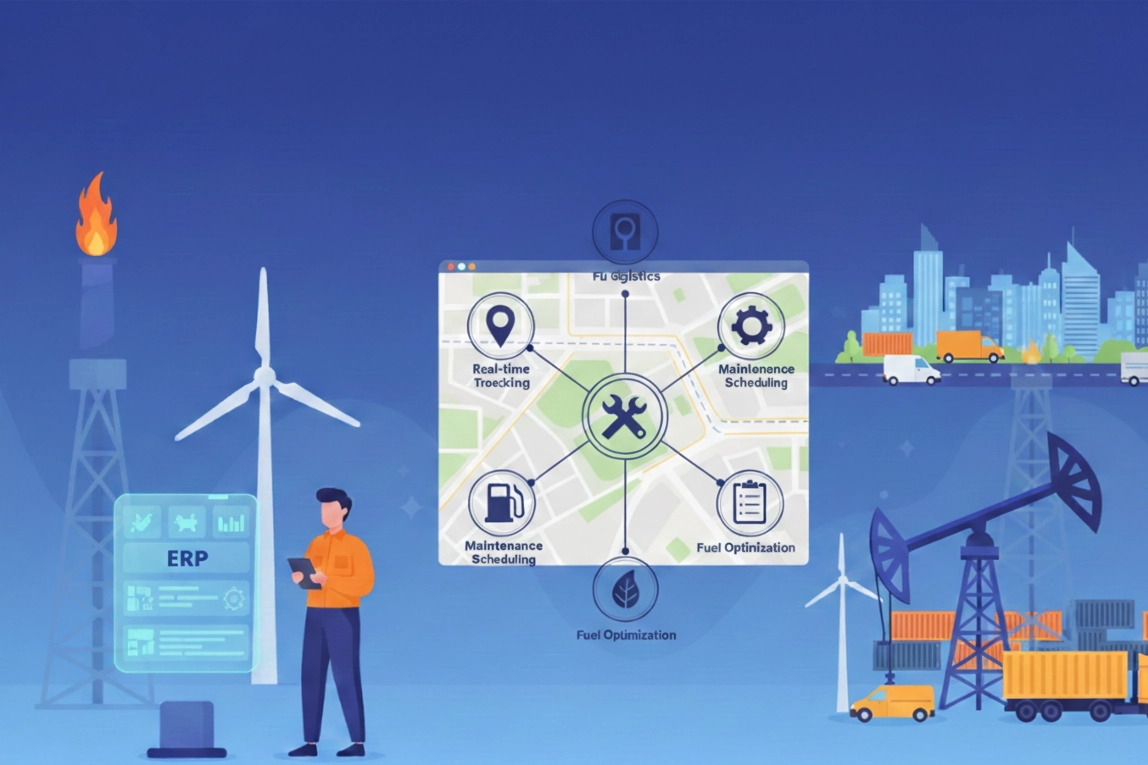
For companies managing logistics, transport fleets or field service vehicles, an integrated fleet management system FMS enhances asset reliability and scheduling efficiency. It facilitates real-time location tracking, maintenance scheduling, fuel optimization, and regulatory inspections — all managed within the ERP.

From drilling rigs to refinery equipment, ERP systems provide predictive maintenance planning, reducing unplanned downtime and optimizing lifecycle costs.
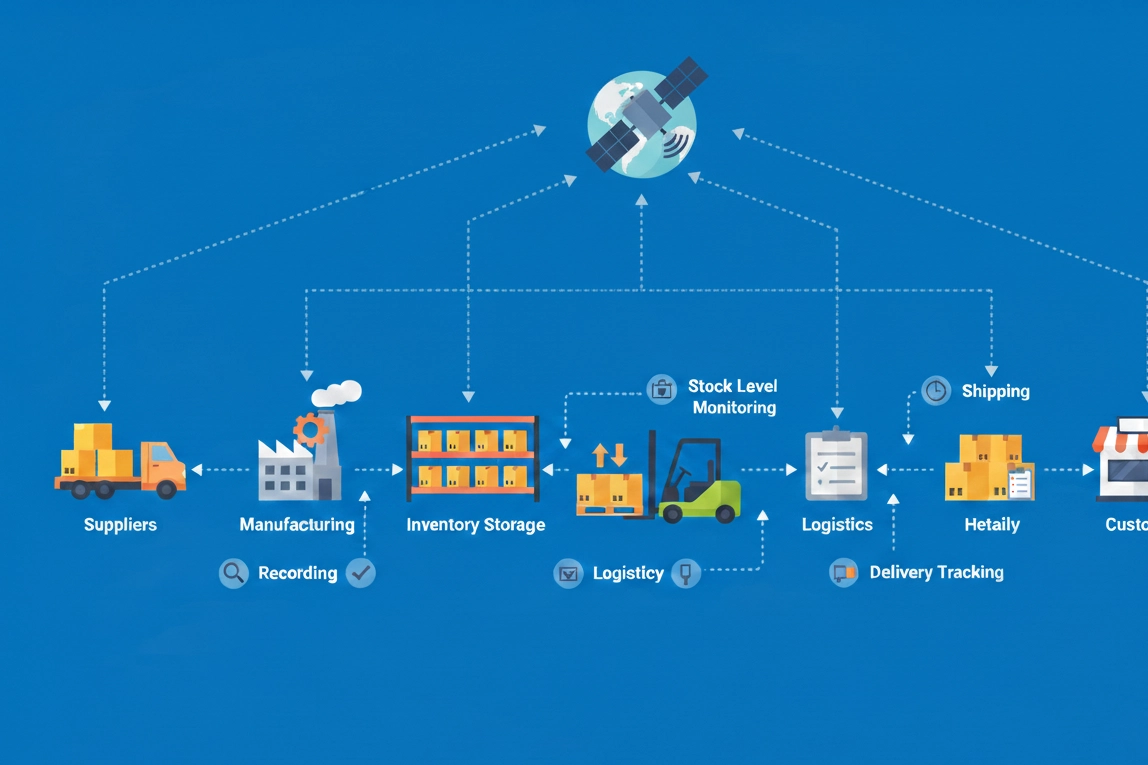
Oil and gas companies require precise coordination across suppliers and inventory points. Advanced ERP modules eliminate stock discrepancies, automate purchase orders, and ensure transparency across inbound and outbound logistics.

By centralizing financial data, ERP platforms streamline budgeting, forecasting, tax compliance (including UAE VAT obligations), and consolidated reporting and providing a real-time financial compass for enterprise leadership.
Successful ERP deployment in the oil and gas sector hinges on strong execution, deep domain expertise, and ongoing support. Collaborating with the right Microsoft Dynamics partner ensures that your ERP system is tailored and optimized for the complexities of energy operations. UAE based technology partners with industry experience help with:
A trusted partner will also assist oil and gas enterprises in aligning their technology strategy with broader business goals, ensuring that the ERP investment drives measurable ROI.
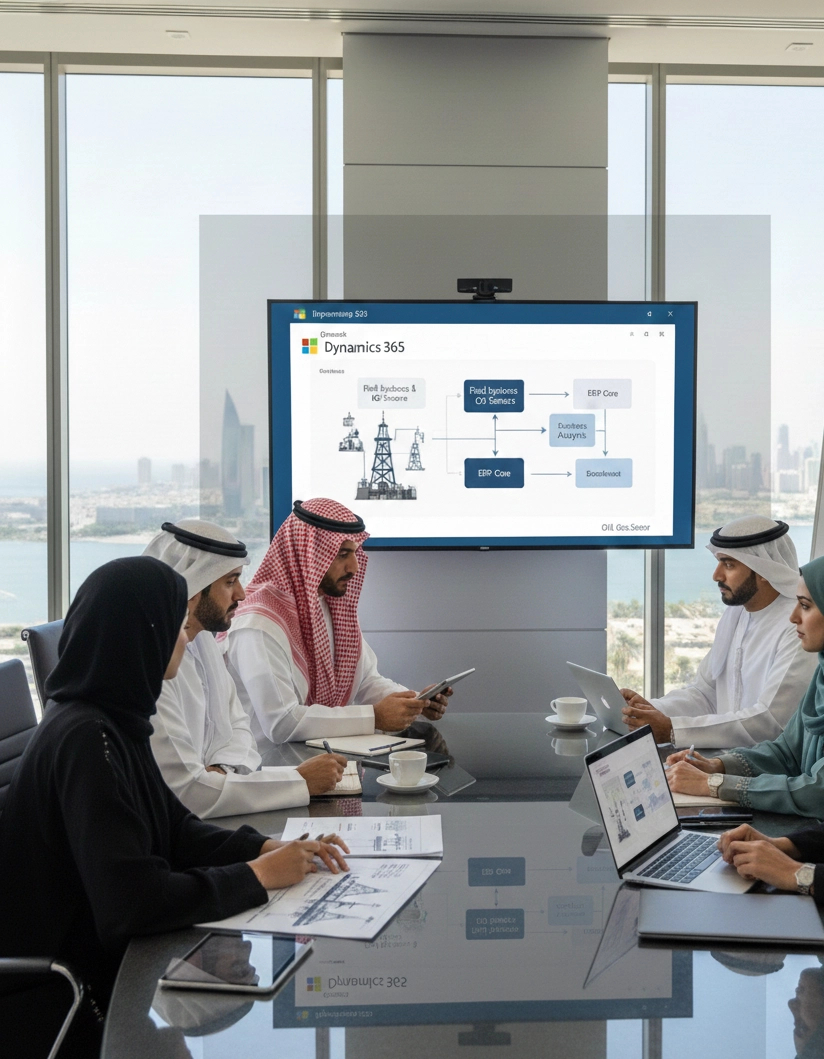

Digital transformation in the UAE’s oil and gas sector is well underway, driven by national initiatives, investment in smart technologies, and forward-thinking energy organizations. Companies that adopt integrated ERP systems accelerate operational agility, improve compliance resilience, and better position themselves for future expansions and whether in renewables, petrochemicals or energy services.
By embracing digital best practices and modern ERP platforms like Dynamics 365 Business Central, oil and gas leaders in Dubai can unlock operational synergies that translate into sustainable business growth.
What is an oil and gas ERP system?
An ERP (Enterprise Resource Planning) system in the oil and gas industry integrates core business processes of finance, supply chain, operations, asset management and compliance — into a unified software platform to improve efficiency and visibility.
Why do oil companies in Dubai need ERP solutions?
ERP solutions replace disconnected legacy systems, enabling real-time data access, streamlined operations, accurate reporting, and controlled compliance with UAE regulatory standards, including VAT and safety norms.
How does Dynamics 365 Business Central support oil and gas operations?
Dynamics 365 Business Central offers a scalable ERP platform that unifies key business functions, automates workflows, strengthens financial controls, and provides analytics for strategic decision making in the UAE market.
Can ERP systems include a risk management system?
Yes. Modern ERP platforms integrate risk management modules that identify, assess and manage operational and compliance risks across equipment, field operations, and corporate governance.
What benefits does a fleet management system FMS deliver?
An integrated FMS improves equipment utilization, maintenance scheduling, fuel optimization and compliance tracking and their essentials for transportation, logistics and field service operations.
Do ERP solutions work with other technologies like IoT?
Yes. ERP solutions can integrate with IoT sensors, automation tools and analytics platforms, enabling predictive maintenance, equipment monitoring, and improved operational insights.
How long does an ERP implementation take in oil and gas?
Implementation timelines vary based on scope and customization — typically ranging from several months for standard deployment to longer for highly custom or multisite rollouts.
What role does an application development company in UAE play in ERP projects?
They can customize ERP modules, develop industry specific extensions, integrate third-party systems, and support ongoing innovation aligned with your strategic goals.
Is local UAE VAT compliance supported?
Yes, leading ERP platforms incorporate tax engines and reporting tools that align with UAE VAT regulations to ensure accurate financial compliance.
Why choose a Microsoft dynamics partner for oil and gas ERP?
A certified partner brings proven expertise, industry-specific knowledge, and implementation experience to ensure successful rollout and long-term success with Microsoft ERP platforms.