Asset Integrity Management System – Dubai Corporate Solutions
In United Arab Emirates require robust frameworks to ensure their assets are safe, efficient, and performing to their full potential throughout their lifecycle. An Asset Integrity Management System (AIMS) is a strategic, systematic approach that enables companies to maintain operational continuity, maximize return on investment, and mitigate risk and all while meeting stringent regulatory and quality standards.
Integrated Approach to Asset Lifecycle Optimization and Integrity
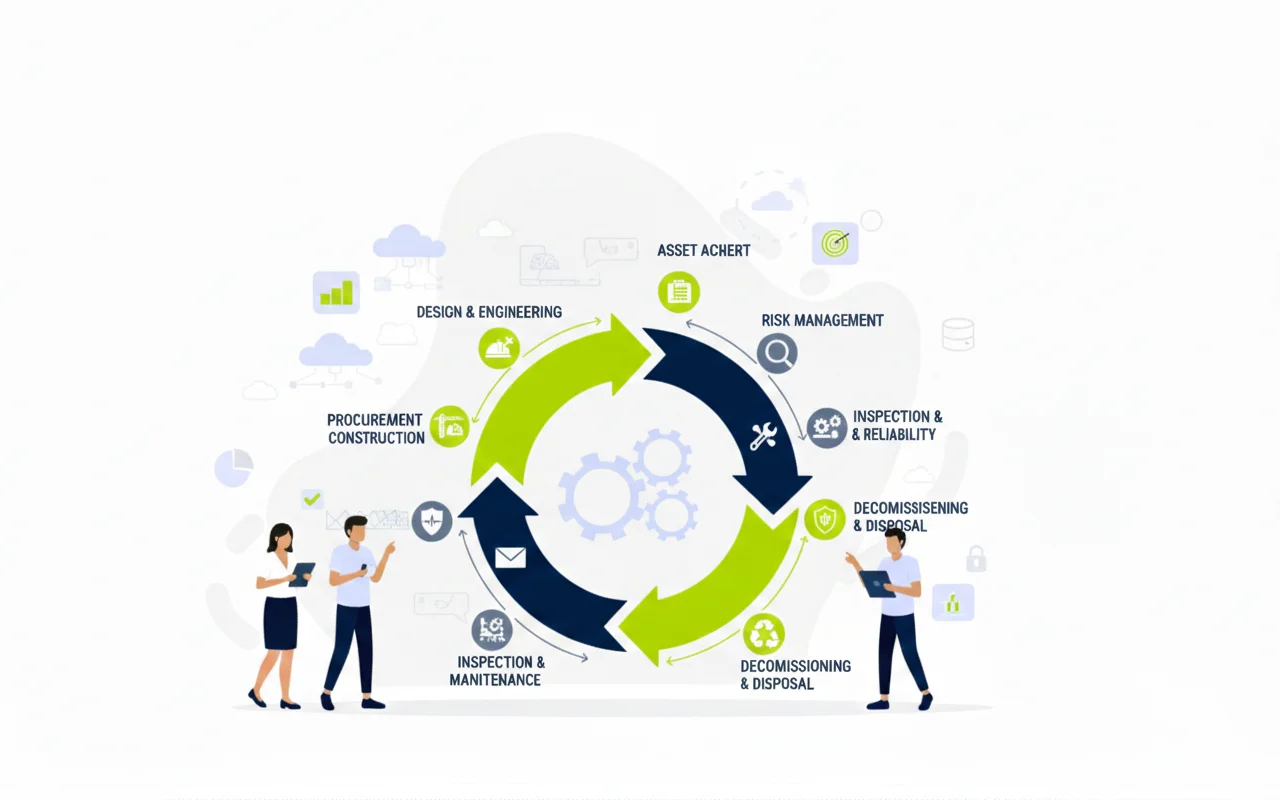
At its core, an asset integrity management system combines advanced software capabilities with disciplined processes and engineering expertise to track, protect, and optimize the performance of physical and operational assets for our Microsoft SharePoint solutions UAE. This approach ensures assets operate safely, reliably, and cost‑effectively and also from project inception through design, deployment, use, maintenance, and eventual decommissioning.
Why Asset Integrity Matters in Dubai and the UAE
In asset‑intensive industries such as energy, construction, infrastructure, manufacturing, utilities, and logistics, even minor failures can have cascading effects on safety, profitability, and reputation. But when companies implement a structured Asset Integrity Management System:
Unplanned downtime and equipment failures are significantly reduced through proactive inspection, predictive maintenance, and real‑time monitoring.
Safety performance improves as risks linked to aging assets are identified and mitigated before defects escalate into incidents.
Operational performance becomes consistent and optimized by using data‑driven insights to plan maintenance and lifecycle tasks.
A well‑executed AIMS drives business resilience, supports compliance with international industry standards, and enhances asset life expectancy by which directly boosts sustainability and profitability.
Key Components of an Effective Asset Integrity Management System
A comprehensive system is not just software, and it’s an integrated ecosystem of processes, tools, and expertise that empowers your organization to act on data, enforce clear procedures, and build accountability across operational teams.
Centralized Asset Tracking & Monitoring
Modern AIMS platforms record every asset’s identification information, location, condition, and usage profile by similar to sophisticated asset management system platforms that supports Microsoft teams solutions and Microsoft project power app that track physical assets like equipment, vehicles, infrastructure, and machinery.
With digital dashboards and mobile access, maintenance teams can view asset health in real time and schedule service activities based on actual performance trends rather than guesswork.
Lifecycle Management and Maintenance Planning
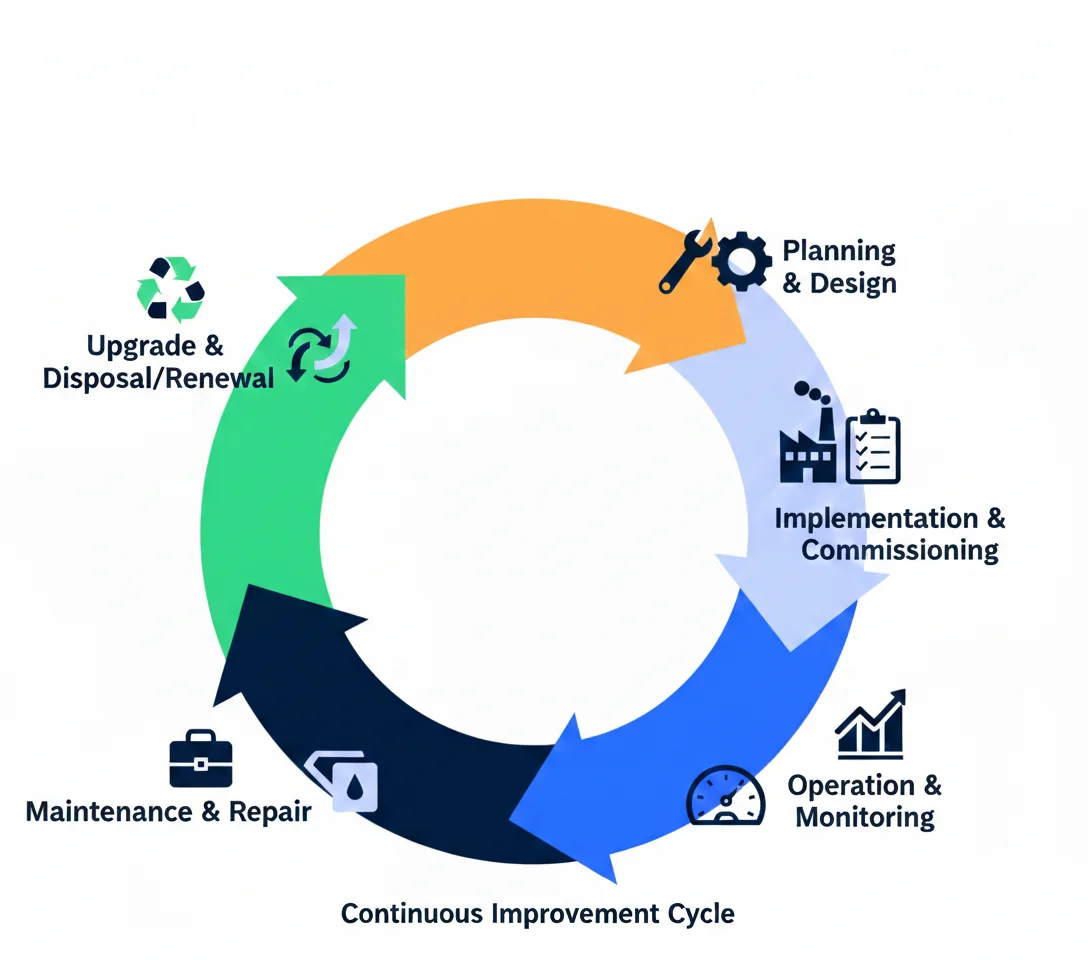
An asset’s lifecycle encompasses acquisition, active use, maintenance, and eventual retirement or replacement. AIMS facilitates:
Comprehensive planning of inspections and overhauls
Lifecycle cost forecasting
Integrated scheduling aligned with peak operational windows
This strategic approach reduces emergency maintenance calls and aligns resources with organizational priorities.
Risk‑Based Inspection and Predictive Analytics
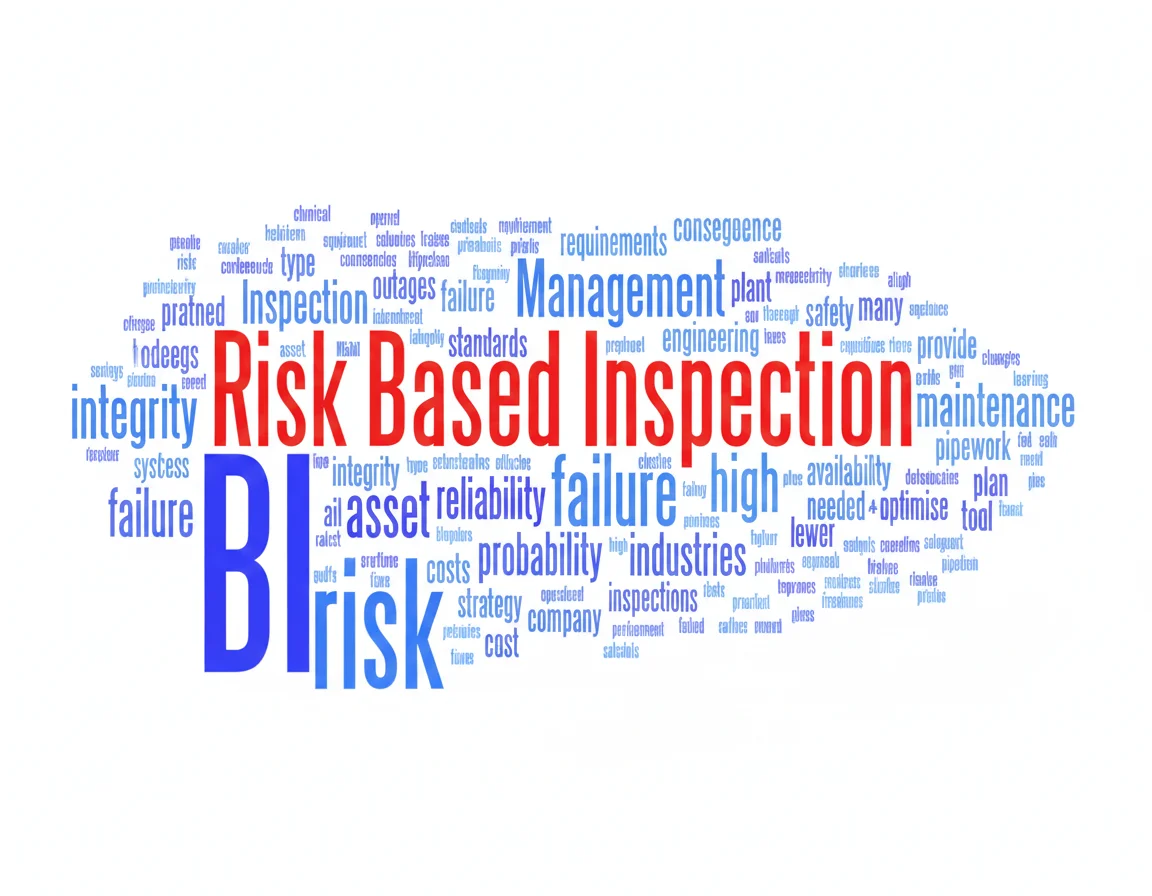
Risk‑based inspection (RBI) tools help teams prioritize assets that present the highest risk of failure or hazard. Predictive technologies by Dynamics 365 gp specialist including sensors and analytics. forecast potential degradation, enabling interventions that prevent unplanned downtime.
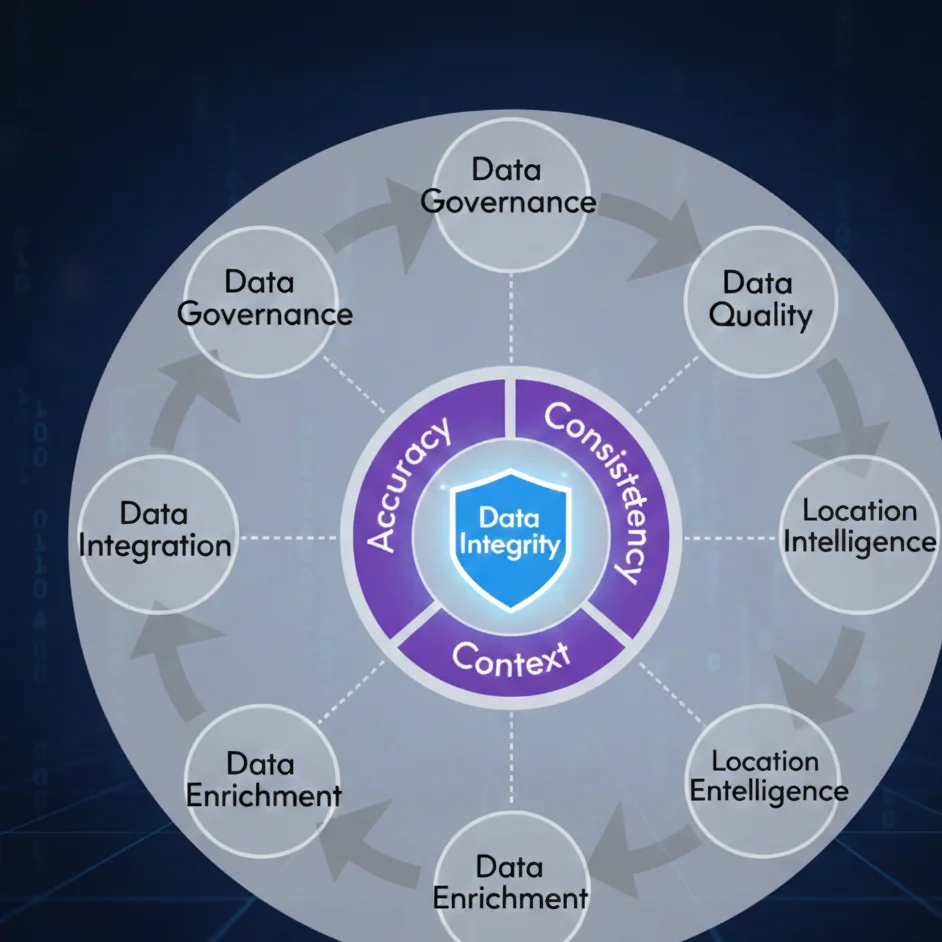
Data Integrity and Compliance Reporting
Across sectors, adherence to regulatory standards and internal quality policies is mandatory. An AIMS ensures all maintenance data, inspection records, and performance indicators are documented and auditable and supporting regulatory compliance and performance transparency.
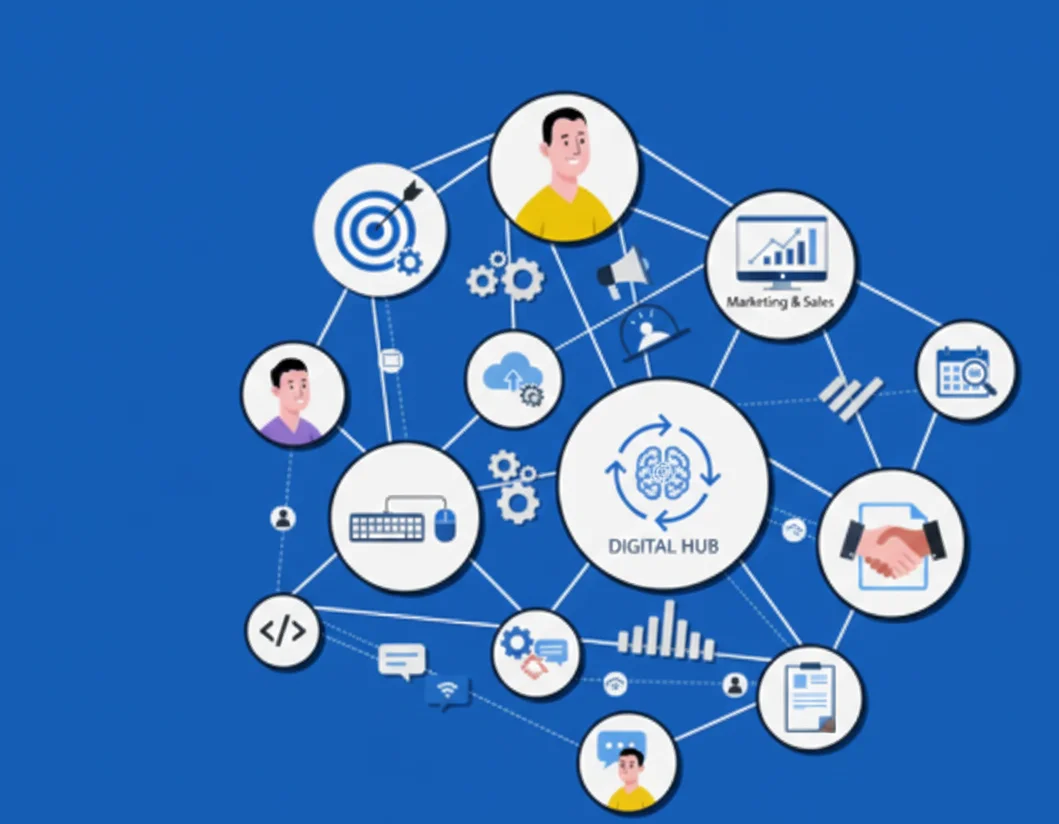
Cross‑Functional Coordination and Digital Integration
By integrating with other enterprise tools and such as Food ERP systems, mobile service platforms, and operational dashboards. By cloud migrations services which AIMS becomes the backbone of cohesive decision‑making and operational continuity.
Asset Integrity vs. Asset Performance: Understanding the Link
While an Asset Integrity Management System emphasizes safety, compliance, and lifecycle robustness, an Asset Performance Management System (APMS) focuses on asset productivity, utilization, and performance optimization. Both systems are complementary:
Asset Integrity Management System (AIMS) ensures that assets remain fit for purpose and compliant at all times.
Asset Performance Management System (APMS) leverages real‑time data to benchmark, optimize, and enhance performance outcomes.
Together, these frameworks provide a holistic approach for safeguarding assets while extracting maximum value from their operation.
Real‑World Implementation in Dubai and the UAE
Across the UAE, industries increasingly adopt integrity management systems aligned with best practices to reduce operational risk and support business growth. From oil and gas to municipal infrastructure, the emphasis is on digital transformation, predictive intelligence, and systems integration for reliability and performance excellence.
As a result, companies are investing in smart software infrastructure by modernize applications similar to advanced asset management system Dubai environments that deliver operational insight and lifecycle intelligence for every essential asset class.
We deliver advanced integrity solutions with a focus on:
Full lifecycle asset visibility and reliability
End‑to‑end inspection and maintenance planning
Predictive analytics for reduced downtime
Clear reporting and compliance documentation
Seamless integration with enterprise platforms
Scalable deployment tailored for corporate operations
Our solutions are backed by a team of experts who understand industrial challenges and engineering realities and providing clients with a strategic advantage in managing their critical assets.
Let's Connect for a Discovery Call!
Let's Connect for a Discovery Call!
Frequently Asked Questions
What is an Asset Performance Management System (APMS)?
An APMS is a digital framework that gathers, analyzes, and visualizes asset performance data to improve utilization, throughput, and operational efficiency across your enterprise.
How does APMS differ from Asset Integrity Management?
Asset Integrity focuses on safety, compliance, and risk mitigation, while APMS concentrates on maximizing performance, productivity, and operational ROI. Together, they deliver optimized asset outcomes.
What are the core benefits of implementing an APMS?
Benefits include better performance insights, reduced downtime, enhanced planning, data‑driven decision‑making, and alignment between maintenance and operational goals.
Can APMS integrate with my existing enterprise systems?
Yes. APMS can connect with ERP, maintenance systems, IoT dashboards, and other digital platforms to consolidate asset data and performance metrics.
Is APMS suitable for all industries?
Yes. Any asset‑intensive industry, from energy and manufacturing to logistics and infrastructure, can benefit from improved performance visibility and predictive analytics.
How does APMS enhance reliability and uptime?
By analyzing real‑time performance data and historical trends, APMS helps preempt failures, prioritize maintenance actions, and boost overall asset reliability.